
What do Surgical & Routine Extractions involve?
Sometimes a tooth cannot be saved and needs to be removed. Whether it's a straightforward extraction or a more complex surgical procedure for broken teeth or difficult roots, we provide gentle, compassionate care to make the experience as comfortable as possible.
After extraction, we can discuss tooth replacement options including Bridges or Dentures.
Gentle Approach
Modern techniques minimise trauma and promote faster healing.

Comfort-Focused Care
Anxious patients are supported with a calm, gentle approach throughout treatment.
Expert Care
Our experienced team handles even the most complex extractions.
What to Expect
Assessment
We examine the tooth and take X-rays to plan the safest approach.
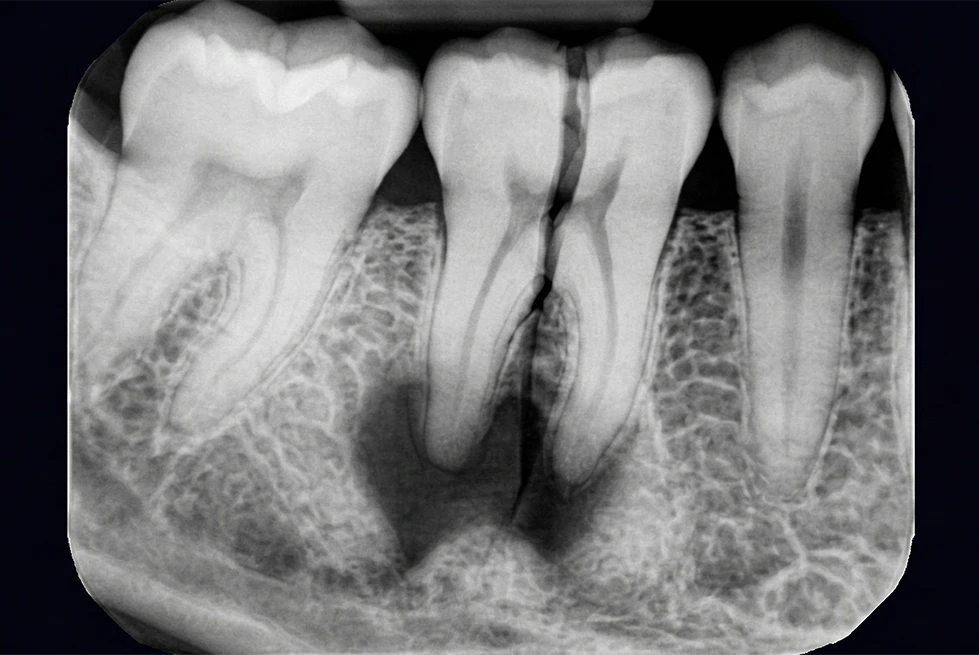
High-Precision Diagnostic Mapping: We utilise ultra-sharp digital X-rays to identify hidden structural issues, such as this vertical root fracture, allowing us to plan a precise surgical approach tailored to your unique anatomy.
Anaesthesia
The area is thoroughly numbed to keep treatment as comfortable as possible.
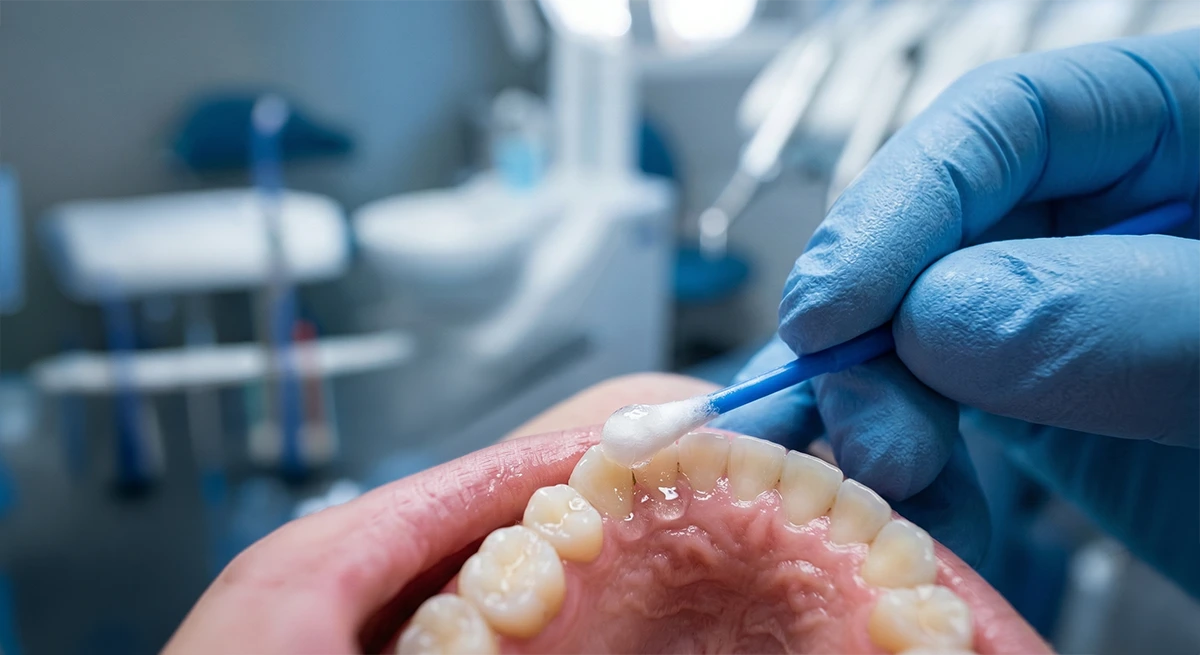
Comfort-Led Care: Your relaxation is our priority. Using advanced, gentle numbing techniques, we ensure the area is completely anaesthetised, providing a calm and entirely pain-free experience.
Extraction
The tooth is carefully loosened and removed. For surgical cases, we may need to make a small incision.
Aftercare Instructions
We'll provide detailed instructions for healing and prescribe any necessary medications.
When Extraction May Be Needed
Common Reasons for Extraction
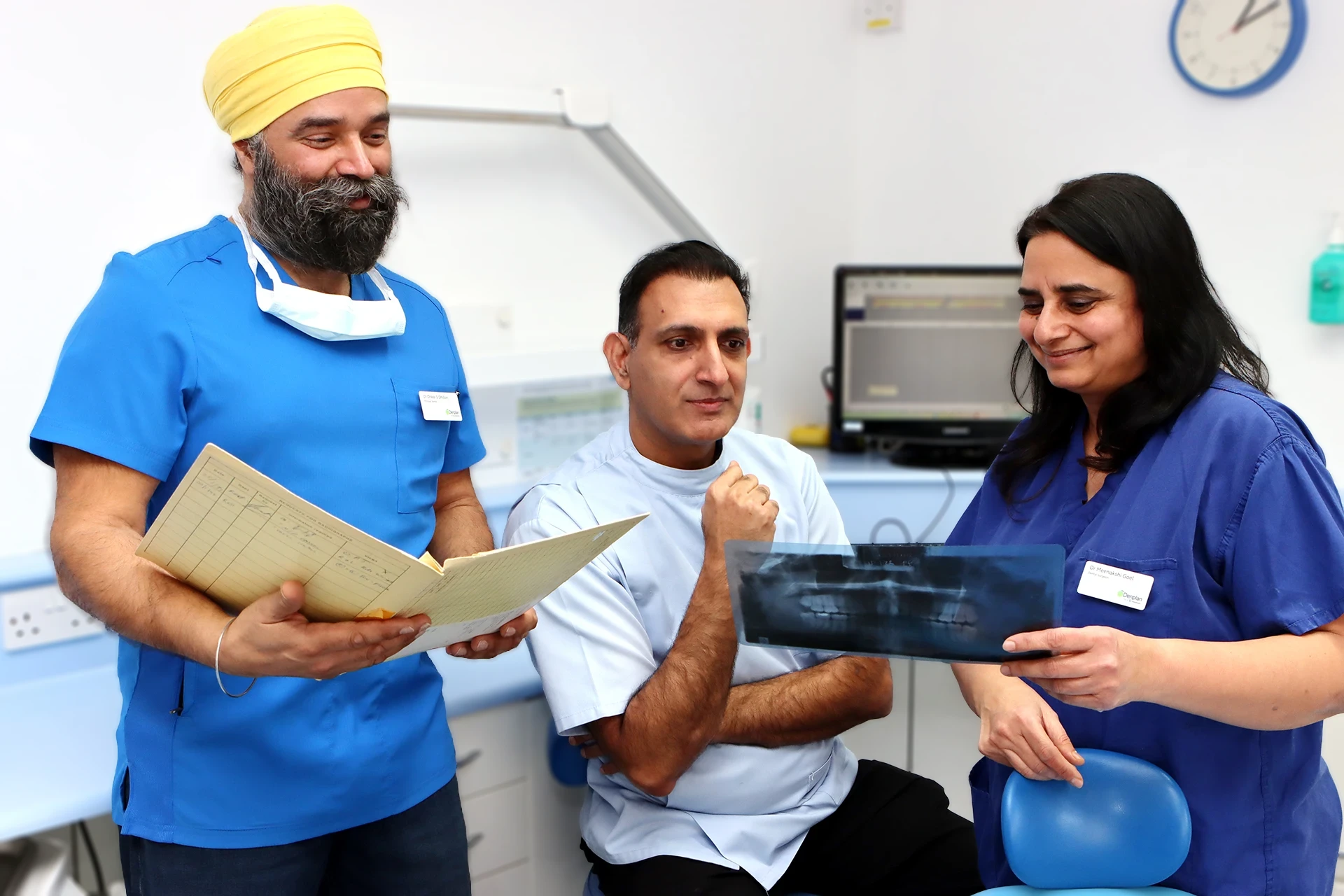
Collaborative Clinical Review: Complex surgical cases are reviewed collectively by our experienced team to ensure the most precise and minimally invasive approach for your care.
Your Investment
We believe in transparent pricing and flexible payment options to make your treatment accessible.
Treatment
Accepting New Patients
Enquire Today- •50% deposit upfront required
- •Settle remaining balance on treatment completion
- •Speak to our team if you have any questions
What's Included
- Examination and X-rays
- Local anaesthesia
- Extraction procedure
- Aftercare pack
- Follow-up if needed
What Maypole's Patients Say
"Friendly dentists. I had two teeth removed and it was an easy procedure. Very accommodating and good service. The whole team made me feel comfortable throughout."
— Balhar Singh
— Balhar Singh

Frequently Asked Questions
With modern anaesthesia, you should not feel pain during the procedure—only pressure and movement. Post-operative discomfort is usually mild and well-managed with over-the-counter painkillers like ibuprofen.
Most patients feel back to normal within 2-3 days. Full healing of the socket takes 1-2 weeks, during which you should avoid smoking and hard foods. Surgical extractions may require slightly longer recovery.
We will discuss your options based on the tooth location and your goals. For visible teeth or to prevent neighbouring teeth from shifting, a bridge, denture, or implant is often recommended.
A simple extraction removes a visible, intact tooth using instruments to loosen and lift it out. Surgical extraction is needed when a tooth is broken, impacted, or has complex root anatomy requiring a small incision.
We use effective local anaesthesia and gentle clinical techniques so treatment remains comfortable. We also explain each step clearly and provide tailored aftercare advice to support smooth recovery.
Bite on gauze to control bleeding, avoid rinsing or spitting forcefully for 24 hours, eat soft foods, and do not smoke or use straws. We provide detailed aftercare instructions to minimise discomfort and prevent dry socket.
Don't Suffer in Silence
Our emergency team is ready to relieve your pain. Contact us now for a same-day appointment.